TL;DR:
- Planning a youth retreat starts with clear goals, not just a location
- First-time organizers often underestimate logistics, budgeting, and communication
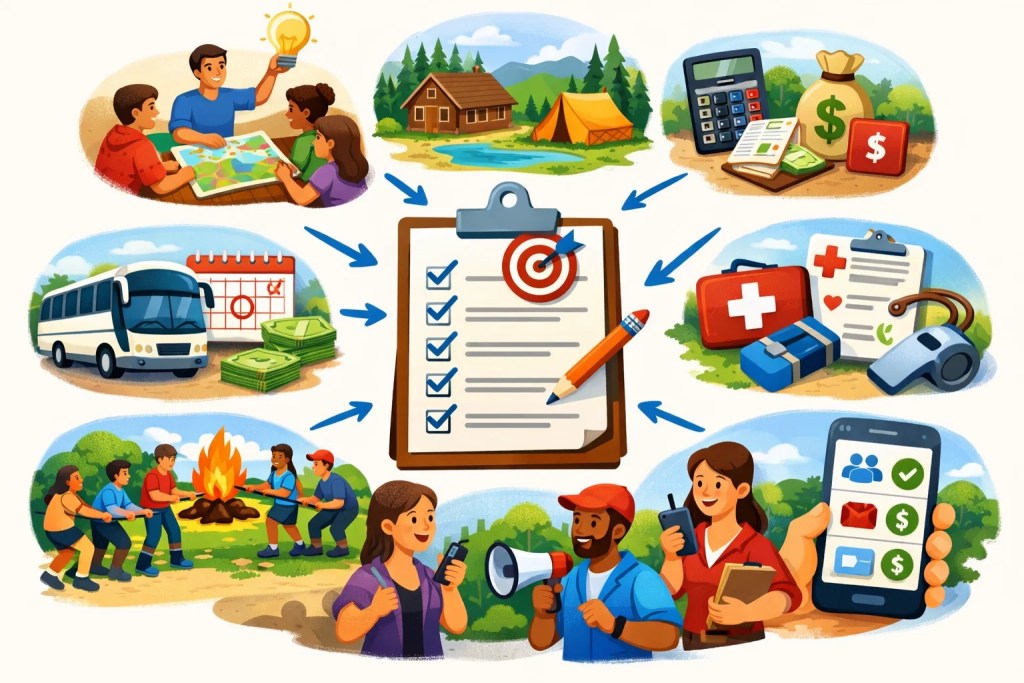
- A solid youth retreat planning checklist helps avoid last-minute chaos
- Payments, permissions, schedules, and safety plans matter more than aesthetics
- Clear communication keeps parents, participants, and leaders aligned
- SquadTrip simplifies youth retreat payments, RSVPs, and coordination in one place
Introduction
Planning youth retreats for the first time can feel overwhelming. You are responsible not just for creating a meaningful experience, but also for managing logistics, budgets, safety, and communication. A strong youth retreat planning checklist helps you stay organized, reduce stress, and focus on what actually matters: giving young participants a positive and memorable experience.
This guide walks first-time organizers through every step of planning a youth retreat, from defining goals and choosing a location to handling payments, schedules, and post-retreat follow-ups. Whether you are organizing a school retreat, church youth retreat, leadership camp, or youth wellness retreat, this checklist will help you plan with confidence.
Planning a youth retreat for the first time? SquadTrip helps you manage payments, RSVPs, and group logistics without spreadsheets or manual follow-ups.
Why Youth Retreats Require Extra Planning
Youth retreats are different from adult retreats in a few key ways. You are working with younger participants, often with parental involvement, supervision requirements, and safety responsibilities.
First-time organizers often focus heavily on activities and locations while overlooking operational details. That is where problems usually start.
Youth retreat planning requires:
- Clear supervision and leadership structure
- Transparent communication with parents or guardians
- Reliable payment and permission systems
- Well-paced schedules that balance structure and free time
Using a checklist keeps you from missing details that can quickly turn into major issues.
Youth Retreat Planning Checklist for First-Time Organizers
This checklist is designed to be followed step by step. You can adapt it based on your group size, age range, and retreat goals.
Define the Purpose of Your Youth Retreat
Before booking anything, get clear on why you are hosting the retreat.
Ask yourself:
- Is this retreat focused on leadership, faith, wellness, creativity, or team building?
- What age group are you planning for?
- What outcome do you want participants to leave with?
Your purpose shapes everything else, from activities to location to schedule design.
Write down:
- Retreat theme
- Target age range
- Key outcomes
This clarity helps you avoid overpacking the agenda or choosing activities that do not fit the group.
Set a Realistic Budget Early
Budgeting is one of the biggest challenges for first-time youth retreat organizers. Many underestimate costs or forget key line items.
Your budget should include:
- Accommodation
- Meals and snacks
- Transportation
- Activity fees
- Materials or supplies
- Emergency buffer
Decide early whether the retreat will be:
- Fully paid by participants
- Partially subsidized
- Sponsored by an organization
Clear pricing avoids confusion and builds trust with parents.
Avoid vague pricing. Always communicate what is included and what is not.
Choose the Right Location for Youth Retreats
The location sets the tone for the entire retreat.
When choosing a venue, consider:
- Safety and accessibility
- Distance from home
- Accommodation style
- On-site activities
- Emergency facilities nearby
For youth retreats, venues with controlled environments work best. Look for places that:
- Have clear boundaries
- Offer group accommodations
- Provide staff or on-site support
Do not choose a location just because it looks good on social media. Choose one that fits your group’s needs and supervision requirements.
Decide the Retreat Duration and Dates
Shorter retreats are often better for first-time organizers.
Common options include:
- Weekend retreats
- Two-night camps
- Day retreats with overnight stays
When picking dates:
- Avoid school exams or holidays that conflict
- Give families enough notice
- Factor in travel time
Once dates are confirmed, lock them in early to prevent drop-outs and confusion.
Build a Simple and Balanced Youth Retreat Schedule
One of the most common mistakes in youth retreats is over-scheduling.
Your schedule should include:
- Structured sessions
- Group activities
- Free time
- Rest and downtime
Avoid packing every hour. Young participants need space to recharge.
A balanced schedule keeps energy levels high and reduces behavior issues.
Create:
- A daily overview
- Session time blocks
- Clear start and end times
Share the schedule with parents and participants ahead of time.
Plan Age-Appropriate Activities
Activities should match both the age group and retreat goals.
Good youth retreat activities:
- Encourage participation without pressure
- Promote teamwork and communication
- Allow creativity and self-expression
Avoid activities that are:
- Too competitive
- Too long without breaks
- Physically demanding without alternatives
Always plan backup activities in case of weather or schedule changes.
Assign Clear Roles to Leaders and Volunteers
Youth retreats run smoothly when everyone knows their role.
Define responsibilities such as:
- Group leaders
- Activity coordinators
- Logistics support
- Emergency contacts
Make sure leaders:
- Know the schedule
- Understand safety protocols
- Have access to participant information
Clear roles prevent confusion during the retreat and help leaders respond quickly if issues arise.
Create a Safety and Emergency Plan
Safety planning is non-negotiable for youth retreats.
Your plan should include:
- Emergency contact list
- Medical information for participants
- First aid procedures
- Clear supervision guidelines
Collect:
- Parent or guardian consent forms
- Medical disclosures
- Dietary restrictions
Keep this information accessible during the retreat, not buried in emails.
Communicate Clearly With Parents and Participants
Good communication reduces anxiety and builds trust.
Before the retreat, share:
- Packing lists
- Schedule overview
- Emergency contact details
- Payment confirmation
Avoid sending scattered messages across platforms. Consistency matters.
Choose one main communication channel and stick to it.
During the retreat:
- Send brief updates if appropriate
- Share arrival and departure confirmations
After the retreat:
- Thank parents and participants
- Share next steps or follow-ups
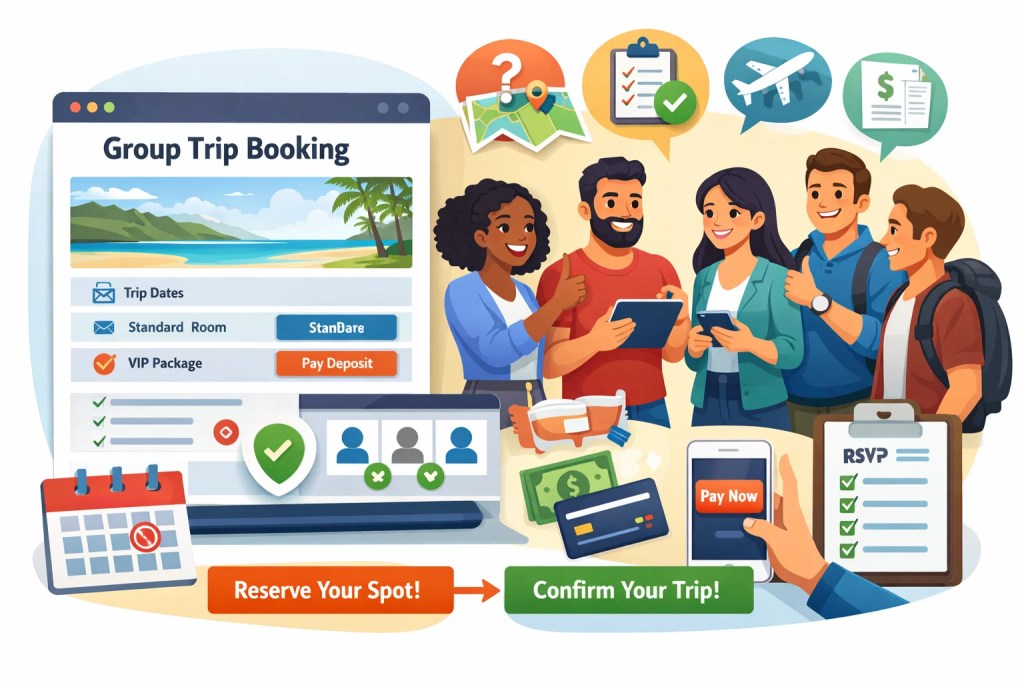
Manage Payments and RSVPs Without Confusion
Payment tracking is a major stress point for first-time organizers.
Manual tracking often leads to:
- Missed payments
- Confusion over who has paid
- Awkward follow-ups
Use a system that:
- Collects payments securely
- Tracks RSVPs automatically
- Sends reminders when needed
Prepare Packing Lists and Guidelines
Youth participants often forget essentials unless guided clearly.
Provide:
- A clear packing checklist
- Rules around electronics
- Clothing guidelines
- What not to bring
Send this information well in advance and repeat it closer to the retreat date.
Clear expectations prevent issues during the event.
Final Pre-Retreat Checklist
Before departure, double-check:
- Payments collected
- Permissions received
- Emergency contacts ready
- Schedule finalized
- Leaders briefed
A final review helps you catch small gaps before they become problems.
Post-Retreat Follow-Up Matters
Your work does not end when the retreat does.
After the retreat:
- Gather feedback
- Thank participants and families
- Share highlights or learnings
- Note improvements for next time
This step helps you plan better future youth retreats and strengthens trust with your community.
Conclusion
Planning youth retreats for the first time does not have to feel chaotic. A clear youth retreat planning checklist helps you stay organized, manage expectations, and create a safe, meaningful experience for young participants.
When logistics, payments, and communication are handled smoothly, you can focus on connection, growth, and engagement instead of admin stress.
Plan your next youth retreat without the hassle. Use SquadTrip to manage payments, RSVPs, schedules, and communication in one place.
FAQS
What are youth retreats?
Youth retreats are organized group experiences designed for young people, usually focused on personal growth, leadership, faith, wellness, or team bonding. They often take place over a weekend or a few days and combine structured sessions with activities and downtime.
How far in advance should you plan youth retreats?
For first-time organizers, it is best to start planning youth retreats at least 8 to 12 weeks in advance. This gives enough time to confirm locations, collect payments, secure permissions, and communicate clearly with parents and participants.
What is the ideal group size for youth retreats?
The ideal group size depends on your supervision capacity. Smaller groups of 15 to 30 participants are easier to manage for first-time organizers. Larger youth retreats require more leaders, clearer schedules, and stronger safety planning.
How much should youth retreats cost?
The cost of youth retreats varies based on location, duration, and activities. Most organizers calculate the total cost first and then divide it per participant. Always include accommodation, meals, transportation, and an emergency buffer when setting prices.
Do youth retreats need permission forms?
Yes. Youth retreats should always include parent or guardian consent forms, medical disclosures, and emergency contact details. These documents protect both participants and organizers and help leaders respond quickly in case of issues.