TL;DR:
-
Formats include mindfulness days, movement weekends, and healthy culinary labs.
-
Benefits include stronger team dynamics, improved productivity, and higher job satisfaction.
-
Tracking participation and behavior change ensures lasting impact.
-
SquadTrip streamlines registrations, payments, waivers, and itineraries for smooth execution.
Introduction
Corporate wellness retreats have become a vital way for companies to support employee wellbeing, build stronger teams, and reduce stress in the workplace.
Unlike traditional corporate retreats focused only on strategy or training, these events prioritize balance, relaxation, and health. When well designed, a corporate wellness retreat leads to improved productivity, higher job satisfaction, and a healthier work environment.
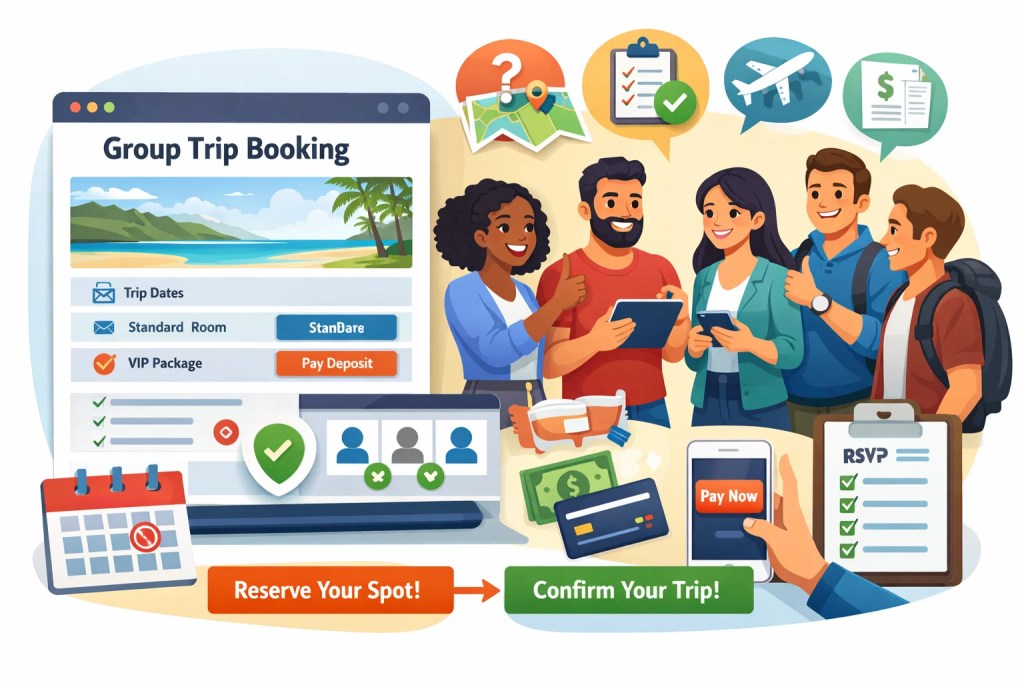
Launching a wellness retreat for your team may sound complex, but the right plan makes it simple. SquadTrip helps hosts and HR leaders centralize forms, payments, waivers, and itineraries so they can focus on creating a meaningful experience for employees.
Read More: Are Wellness Retreats Profitable
Corporate Wellness Example Formats
Creating itinerarries for corporate wellness is easier than you think. After all, you’re simply adding a professional flourish to mindfulness, recovery, movement, and nutrition programs. Here are some ideas for yours.
Mindfulness and Resilience Day
A one-day corporate wellness retreat can make a measurable difference. Mindfulness workshops paired with stress management activities give employees practical tools they can use daily. Meditation, sound healing, and guided breathing sessions reduce stress while improving mental clarity. These corporate wellness activities also help build trust and create stronger connections among colleagues.
Movement and Recovery Weekend
Physical wellness retreats emphasize team building through activity and rest. Yoga sessions, gentle hikes, or group fitness classes can be paired with recovery tools like sound baths or stretching clinics. This mix of movement and relaxation improves team dynamics while encouraging stress reduction. Companies that invest in these wellness offerings often see improved productivity and higher job satisfaction back in the workplace.
Nutrition and Healthy Culinary Labs
Food-centered retreats are perfect for engaging employees with interactive wellness activities. Company wellness retreat ideas might include healthy cooking classes, meal planning workshops, or plant-based culinary labs. These events create space for collaboration and give employees skills they can integrate into daily life. A focus on nutrition also supports corporate health goals like reducing healthcare costs and improving overall well being.
How to Measure your Retreat’s Success
Participation, Satisfaction, and Behavior Change
To measure success, HR leaders should track attendance, survey satisfaction, and monitor behavior change. Employees who engage in corporate wellness programs often report reduced stress, better work-life balance, and higher job satisfaction. These benefits strengthen company culture and attract top talent who value a supportive work environment.
External research supports these outcomes. According to Forbes and the CDC Workplace Health Resource Center, investing in wellness experiences can improve employee wellbeing while lowering costs for companies.
Operating Smoothly with Squadtrip
SquadTrip for Consent Forms, Payments, and Itineraries
Even the best corporate wellness retreat ideas fall short if logistics are messy. SquadTrip simplifies operations with tools for guest management, itineraries, and payments.
HR leaders and corporate retreat hosts can send waivers, collect registration details, and manage bookings in one place. This reduces time spent on admin and creates a better booking experience for employees.
They can also easily create corporate retreat pages to market (and manage) their events.
By integrating mindfulness, movement, and nutrition into your next retreat, you can support employee well being while also strengthening team bonding.
With SquadTrip, leaders spend less time coordinating and more time creating meaningful corporate wellness experiences.
The Right Software for Corporate Retreat Management
A successful corporate wellness retreat goes beyond relaxation. It is about designing events that reduce stress, build trust, and engage employees with wellness activities that last beyond the offsite. With the right plan, companies can foster stronger connections, improve employee wellbeing, and create lasting benefits for the workplace.
Healthier teams, simpler ops. Start with SquadTrip today.
Frequently Asked Questions.
Q1. What exactly happens during a corporate wellness retreat?
A. A corporate wellness retreat usually mixes activities that relax the body and refresh the mind—like meditation, yoga, team-building workouts, and healthy meals. It’s not just a vacation; it’s a structured program that helps employees reset and return to work with better focus and morale.
Q2. What tools help manage retreat logistics smoothly?
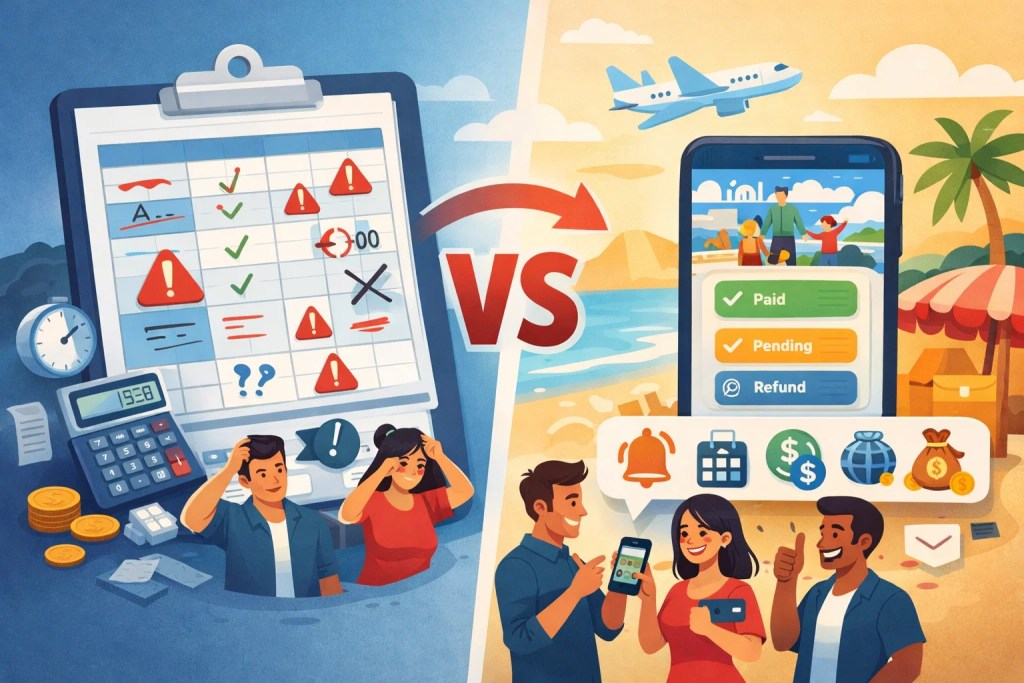
A. Platforms like SquadTrip help HR teams handle everything in one place waivers, registrations, payments, and itineraries. It saves time and avoids messy email chains or spreadsheet chaos.
Q3. What kind of ROI can a company expect from wellness retreats?
A. While results vary, research (like from Forbes and the CDC) shows companies that invest in wellness see better engagement, fewer sick days, and higher retention. Happier teams usually perform better, which pays off over time.
Q4. What should be included in a corporate wellness retreat itinerary?
A. A balanced itinerary usually includes movement sessions (like yoga or hiking), mindfulness activities, healthy meals, and time for reflection or bonding. The key is not to overload the schedule downtime is part of the wellness experience.
Q5. What types of wellness retreats work best for companies?
A. Popular formats include one-day mindfulness and resilience events, weekend fitness and recovery programs, or culinary retreats centered on nutrition and healthy cooking. The best format depends on your team’s size, culture, and wellness goals.