TL;DR:
- Strong communication skills and storytelling are the foundation of the tour guide’s role.
- Key skills like public speaking, cultural sensitivity, and improvisational skills keep tours engaging and safe.
- Successful guides balance preparation with flexibility, from first aid knowledge to adapting to the group’s dynamics.
- Memorable experiences often come from personal anecdotes, special moments, and micro-gestures of guest care.
- Tour managers, tour operators, and sightseeing companies agree: successful tour guides never stop training and improving.
- Use tools like SquadTrip to streamline guest messaging, itineraries, and payments so you can focus on creating 5-star tour experiences.
Introduction
Great guides don’t wing it, they rehearse it.
Every seamless story, every joke that lands, and every safety briefing that puts guests at ease comes from practice. If you want to know how to be a great tour guide, it’s not about memorizing a script. It’s about combining craft, care, and consistency so every guest feels they made the right choice joining your tour.
With the right onboarding platform by your side, you’ll spend less time on tedious tasks, and more time honing your craft.
In this guide, we’ll break down the essential tour guide skills, the professional habits that separate good from great, and the little secrets that keep guests raving long after the trip ends.
Read More: Start a Tour Guide Company
Core Skills Every Great Guide Needs
Improvisational Skills Keep a Successful Tour on Track
Even with proper training and preparation, no tour experience ever goes exactly to plan.
That’s where improvisational skills come in. Guides who can adjust quickly, whether it’s changing routes in national parks or finding new attractions when sightseeing companies face delays, create special moments that turn potential problems into positive memories.
Tour operators and tour companies value improvisational skills because they often mean the difference between a disrupted trip and a successful tour that brings more customers back for another adventure.
Story Craft, Humor, and Presence
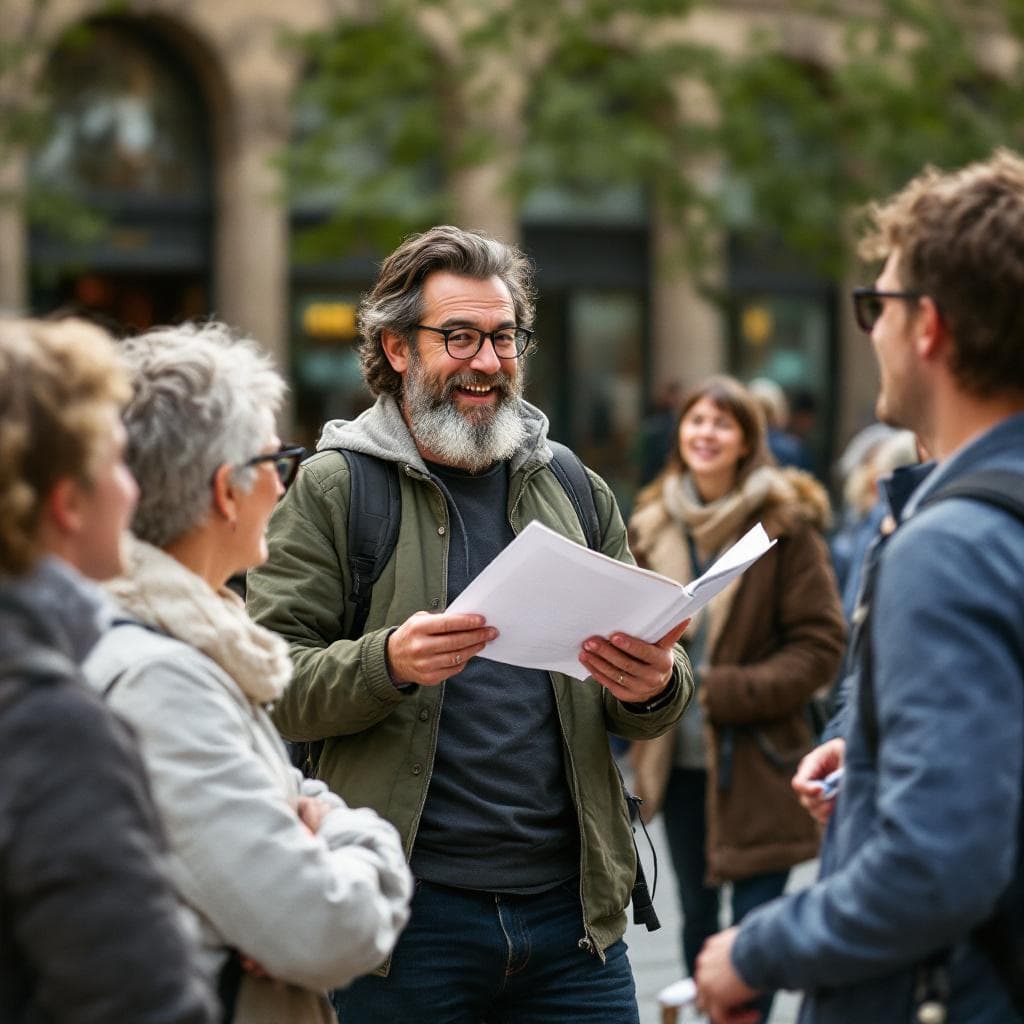
At the heart of what makes a good tour guide is storytelling. Guests aren’t paying for a textbook – they want a journey.
Craft narratives that connect history, culture, or nature to your audience’s curiosity. Humor helps, but presence is even more important. Stand with confidence. Use pauses. Match your energy to the group’s mood.
Safety and Situational Awareness
A great guide is never so lost in a story that they miss what’s happening around them. Safety is part of guest trust. Whether it’s watching the weather, checking group pace, or keeping an eye on that guest drifting toward traffic, situational awareness is non-negotiable.
Professional Habits That Set You Apart
Key Skills Every Successful Tour Guide Should Master
Tour managers and tour directors in the tourism industry often highlight a core set of key skills that separate good guides from great ones. These include public speaking, cultural awareness, and the ability to read the group’s dynamics.
A successful tour guide doesn’t just relay information, they use personal anecdotes, local guides’ insights, and even personal experiences to create memorable experiences. Successful guides know how to provide solutions when challenges arise and ensure the well-being of the whole group.
Prep Rituals That Work
The best guides have pre-tour rituals. It might be reviewing the route, checking pronunciation of local names, or rehearsing a story’s punchline. These routines create consistency, which guests notice.
As part of your ritual, consider working with a platform that simplifies communication (and personalization) to your guests.
Timekeeping and Pacing
Nothing frustrates a group like rushing through a highlight or dragging out a stop. Time management is a core tour guide skill. Balance must-sees with breathing space, and always allow a buffer for surprises.
The Guide’s Kit Checklist
Carry a small kit: first aid basics, phone charger, extra water, and a backup mic if you use amplification. These little habits save you from big headaches when things go sideways.
Guest Care That Stands Out
Strong Communication Skills Make the Difference
One of the most important traits of a successful tour guide is strong communication skills. Tour members rely on you to explain historical facts, share interesting stories, and set clear safety protocols.
Whether you’re working with tour participants in national parks or leading groups through busy cities, the ability to adapt your communication skills to different audiences is vital. Both the guide and the group benefit when clarity, cultural sensitivity, and confidence guide the experience.
Remembering Names and Faces
Guests light up when you greet them by name. Make a habit of learning names early, repeat them, use them in conversation, or jot them in your notes. It’s one of the simplest but most powerful tour guide tips.
Photos That Capture Memories
Offer to take group photos at key stops. It’s a small gesture, but it builds connection and often leads to glowing reviews.
Accessibility Matters
Think about all guests. Can everyone hear you? Can those with mobility challenges participate? Adjust pace, seating, or stops to make the experience accessible.
Micro-Moments of Care
Hold an umbrella during a sudden rain, offer directions after the tour, or recommend a local spot for dinner. These micro-moments create lasting impressions.
Keep Growing as a Guide
Build a Feedback Loop
After each tour, ask guests what they loved and what could be better. A simple survey or a post-tour chat can reveal insights you never see from the front of the group.
Peer Review and Mentorship
Great guides don’t improve alone. Join local guide associations or peer groups. Watching another guide in action can spark ideas you’d never think of on your own. Check resources like Lonely Planet’s guide forums for inspiration and discussion.
Ongoing Guide Training
Cities change, facts evolve, and guest expectations shift. Schedule time each season to update your knowledge, add fresh stories, and even retake certifications. Growth is part of professionalism.
Use the Right Tools
While we think Squadtrip can stack up against other great platforms like Tourwriter, we want to make sure you’re making the rigth choice for your brand and your particular needs. Research what tools align best with your day-to-day; after all, it needs to make sense for you.
Little Secrets Great Guides Keep
Great guides have little rituals guests never notice. They carry mints to keep their voice fresh, arrive 15 minutes early, not just to set up but to read the group’s energy and collect local trivia guests can’t find on Google.
They also automate what they can. Guest messages, waivers, and payment reminders don’t need to be done by hand. Platforms like SquadTrip help you automate guest messaging so you can focus on the actual guiding.
Final Thoughts: Run 5-Star Tours
Learning how to be a great tour guide is about layering skills with habits and care. Storytelling and safety are the foundation, but it’s the personal touches and growth mindset that move you from “fine” to unforgettable.
Run 5-star tours—Try SquadTrip Free.
FAQs About Becoming a Great Tour Guide
Q1. What makes a good tour guide?
A balance of storytelling, safety, and guest care. Good guides inform. Great guides connect.
Q2. What are the top tour guide tips for beginners?
Rehearse stories, learn names, carry a kit, and manage time. These small steps quickly build trust.
Q3. Do I need formal guide training?
It depends on your market. Some regions require certification, others don’t. Even if not required, training boosts confidence and credibility.
Q4. How do guides stand out?
By creating micro-moments: a joke that lands, a remembered name, or a thoughtful dinner suggestion.